
EVENT PHOTOGRAPHER AMSTERDAM
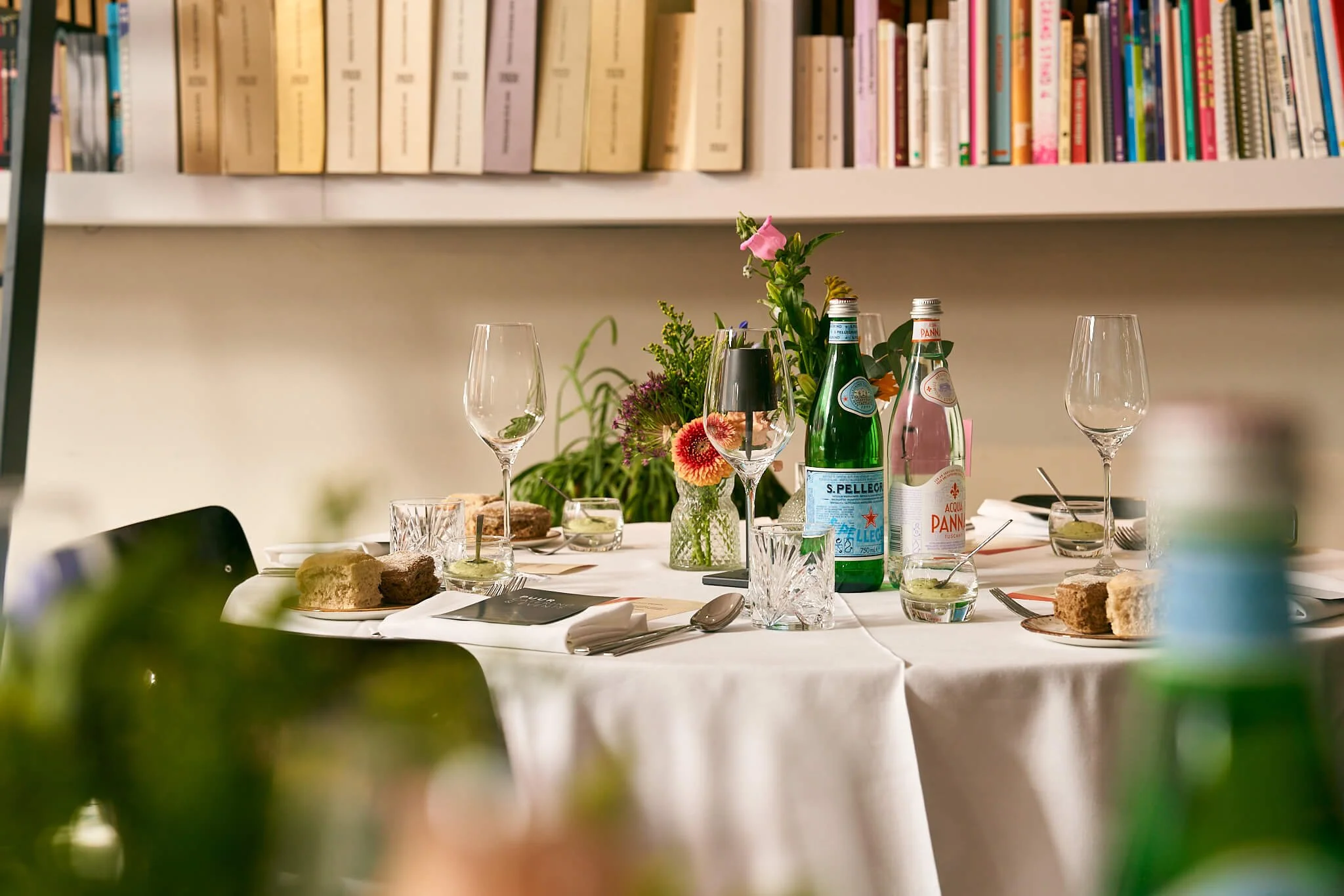
Amsterdam has an exceptionally high concentration of business events. Keynotes at the Muziekgebouw aan het IJ, round-table dinners at Capital C, product launches at The Dylan Amsterdam. Each and every one of these is a moment when the organisers transform months of preparation into something tangible in the space of a single day. What remains afterwards are the images.
Amsterdam Photographer
I’ve been taking photos at events all over the city for years and know the venues well. Not from leaflets, but because I’ve actually been there. At the DoubleTree by Hilton near Central Station, I know that the meeting rooms on the first floor have plenty of natural light thanks to the floor-to-ceiling windows, which works beautifully during the day, but that these same rooms take on a completely different lighting character in the evening as soon as the city outside the glass grows dark. That calls for different settings and a different eye for how the space behaves.
Artis is a unique event venue, but it has its own specific requirements. The Koningszaal has those tall windows and the view of Artisplein, which looks stunning on paper and really does look good on camera, but the light depends on the time of day and the season. In the evening, when the park is closed and the mood lighting comes on, the venue takes on a character all of its own that you can capture if you know how. The Tijgerzaal has the same historic charm, but with the flamingos in the background, there’s a visual distraction that works for some shots but not for others.
Soho House Amsterdam is a venue where the interior itself tells the story. The Art Deco Bungehuis on Spuistraat, with its brass details, stained-glass windows and that distinctive warm light that always fills the rooms, is ideal for events seeking to convey a particular atmosphere. The challenge is that the atmosphere of the space is so strong that, as a photographer, you have to tailor your images to it. If they’re too cold, you lose the warmth of the venue. If they’re too dark, the details that make the space special disappear.
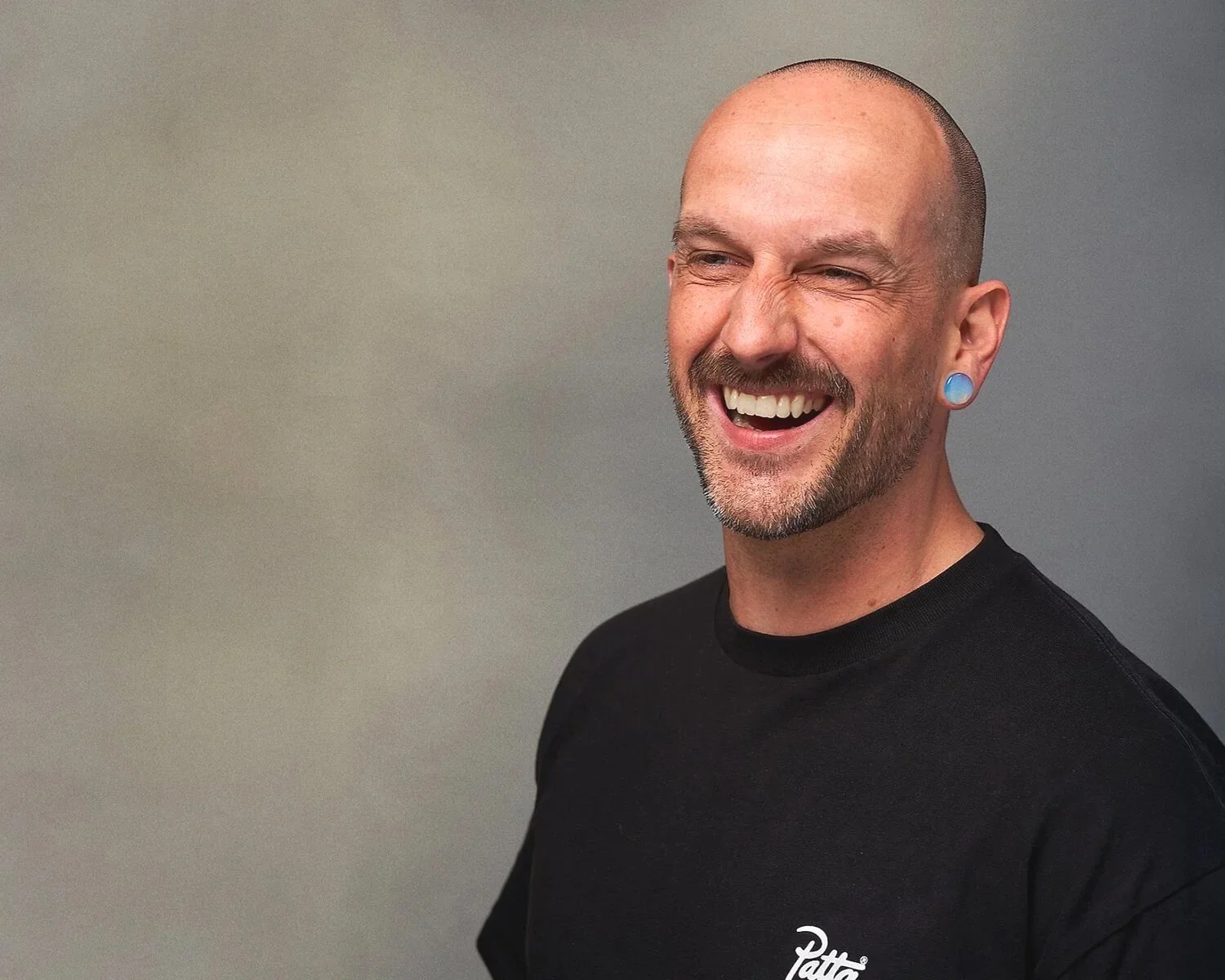
RICHARD
This sort of knowledge may sound technical, but the effect is simply that, on the day itself, I spend less time figuring things out and more time taking photographs. For you, as the client, this means that no crucial moments are missed because I was having to improvise in unfamiliar circumstances.
As well as working with the big names, I also work at smaller venues in Amsterdam: boardrooms in office blocks along the Zuidas, private meetings in city hotels, and team days at venues that aren’t designed for photography but still work out well with the right approach.








How a commission works
Before I take a single photograph, I want to understand what is expected of the images. Not as a formal ritual, but because a photographer who knows the images are for a press release will make different choices to one who thinks they are for internal use only. We discuss the agenda, the venue, the atmosphere you want to convey and the people who definitely need to be in the pictures. Sometimes, during that conversation, I come up with ideas or points to consider that hadn’t been on the radar before.
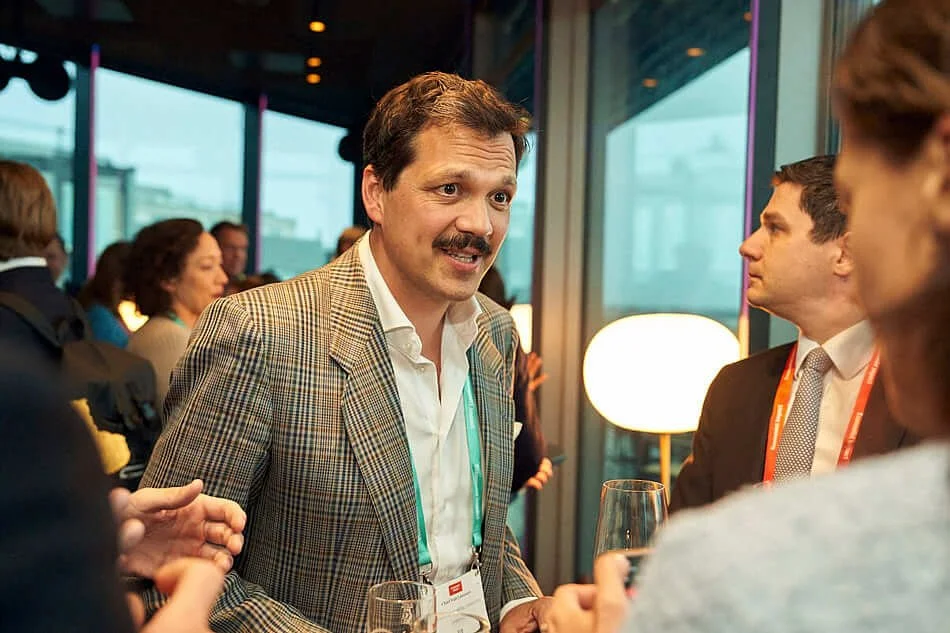
On the day itself, I move through the event in such a way that those present don’t even notice me. No staged group photos unless you want them, no forced poses, no disruption to the flow. Speakers are captured at the moment they say something meaningful. Networking conversations are captured when they’re genuine. The venue, the décor and the details your organisation has put in place are captured in a way that shows the care that went into them.
After the event, I deliver a carefully selected set of images, ready for immediate use. For teams who want to publish as early as the following morning, fast delivery is a standard part of the agreement.
What my business clients have come to expect from me
The companies I work for – ranging from international players such as AWS and The Economist to Amsterdam-based institutions such as the University of Amsterdam – all have one thing in common: they have little room for ambiguity. The schedule is set, the stakeholders are in place, and the communication surrounding the event must be spot on. A photographer working in this environment must be reliable, well-prepared and know exactly what is expected of them without it having to be repeated over and over again.
That is the approach I take at every event, regardless of its scale. An intimate client meeting with twenty people deserves the same attention as a conference with five hundred. Ultimately, the images go to the same channels and represent the same brand.